Free delivery
Free delivery
Official distributor LEDSTAR · SKYLIGHT · ZOO MED · Horticultural LED lighting manufacturer since 2009
Spectrum and power advice on +33 3 83 47 83 98 · Monday to Friday
 Terrarium lighting · Nancy

Begonia Maculata: Preserve the beauty of the speckled leaves with LED lighting
Understanding Begonia Maculata
This species belongs to the cane begonia group, characterized by upright stems resembling slender bamboo canes. Native to the tropical rainforests of Brazil, it thrives in gentle warmth, humidity, and filtered light, such as under a canopy of leaves. It grows rapidly: indoors, it can reach 50 to 70 cm in height and regularly produces new leaves and clusters of white or pink flowers. Its variegated foliage requires precise light management to preserve the silvery spots on the upper leaves and the burgundy underside. Appropriate lighting is therefore essential to prevent the new leaves from losing their contrast.
Light: LED lighting to make the peas sparkle
The importance of bright indirect lighting
Begonia Maculata needs 12 to 14 hours of intense indirect light water daily to maintain its silvery patterns and encourage flowering. Natural light filtered through a sheer curtain or an east/west-facing window is ideal, but often insufficient in apartments. Lamp TerraLEDTM PRO (30 cm, 60 cm, 90 cm or 120 cm) orSpectraBULB X20 horticultural bulb It reproduces a full spectrum without generating heat and allows for extended light exposure. These LED lights provide consistent intensity that prevents burning while promoting photosynthesis and leaf coloration.
Lamp-to-plant distance and lighting duration
Install the light source at 25 to 35 cm above the foliage. This distance ensures even light distribution without stressing the leaves. Program a cycle of 12 to 14 hours of daylight followed by 10 to 12 hours of darkness to respect the plant's circadian rhythm. In winter or in a dark room, slightly increase the lighting to compensate for the reduced light. Rotate the pot a quarter turn each week so that all sides receive the same amount of light and prevent asymmetrical growth.
Preserve the beauty of the speckled leaves
Too little light reduces contrast: the silvery spots fade and new leaves become uniformly green. Conversely, too much light causes scorching and brown spots. Adjust the lamp height and lighting duration to maintain a deep green dotted with crisp spots and a dark red underside. The consistent use of LED lighting helps maintain this delicate balance throughout the seasons.
Watering and humidity
Watering
Begonia Maculata appreciates a substrate constantly slightly damp. Water as soon as the The top 2 or 3 cm of soil are dry. (approximately once a week in summer and once every two weeks in winter). Use room temperature water and allow it to drain completely; never let the plant sit in stagnant water, as this can cause stem or root rot. Conversely, overly dry soil can lead to leaf edges drying out. To prevent fungal infections, avoid wetting the foliage when watering.
Humidity
Native to tropical forests, Begonia Maculata likes a high humidity (45% to 70%). In a dry indoor environment, place the pot on a tray of damp pebbles, group it with other plants, or install a humidifier. Water Master 2L Electric Sprayer (https://www.terraled.fr/fr/arrosage-et-irrigation/1741-pulverisateur-electrique-water-master-2l.htmlThis method increases ambient humidity by spraying around the plant without wetting its leaves. However, avoid direct misting, as stagnant humidity promotes powdery mildew and fungal diseases.
Substrate and repotting
Choose a suitable substrate
A substrate draining and aerated is essential for Begonia Maculata. Mix a quality potting mix with perlite, coconut fiber, and a little pine bark to promote drainage and aeration. Premium Tropical Soil (https://www.terraled.fr/fr/vegetale/1710-premium-tropical-soil-10kg20l-substrat-naturel-reptiles-et-plantes-tropicales.htmlThis product is perfectly suited: it contains coconut fibers and natural elements that prevent root asphyxiation. You can add a quarter of perlite or pumice to optimize water drainage. Compact, heavy soil promotes stagnation and the development of diseases.
Repotting
Repot your Begonia Maculata every year in spring. Although it tolerates being slightly root-bound, annual repotting replenishes the nutrients in the potting mix and provides a more aerated environment. Choose a pot a few centimeters wider with drainage holes. Fill it with Premium Tropical Soil, Place the root ball, fill with substrate, and water to settle. If the roots are growing through the drainage holes or if the plant seems unstable, don't wait: prompt repotting will prevent rot and stimulate growth.
Fertilization and nutrition
Begonia maculata appreciates regular fertilization to support leaf and flower production. Starting in spring, fertilize every 2 to 4 weeks with the Master Grower Organic Vegan Fertilizer Hydropassion Pack (https://www.terraled.fr/fr/accueil/1772-pack-hydropassion-engrais-bio-vegan-master-grower.htmlThis organic fertilizer provides nitrogen, phosphorus, and potassium in balanced proportions and is perfectly suited to tropical plants. Dilute it in the watering can on already moist soil to avoid root burn. Suspend fertilization during winter when growth slows.
Care and sizing
Cleaning and sizing
Regularly remove yellow, damaged, or diseased leaves to promote air circulation and plant health. Pinch back the stem tips in spring and summer to encourage branching and prevent the plant from becoming too tall and bare. Light pruning after flowering helps maintain a compact shape. Use clean tools to prevent the spread of disease.
Tutoring and support
The slender stems of Begonia maculata can reach up to 1.5 m in height and become brittle. Install a small stake, bamboo support, or decorative ladder to support the stems and provide better light exposure. This prevents the plant from bending under its own weight and allows the LEDs to evenly illuminate the entire leaf surface.
Spread
This begonia multiplies easily by stem or leaf cuttings. After pruning, place a stem with at least two nodes in water or directly into moist potting mix. Roots will appear in a few weeks. You can also cut a leaf with its petiole and root it in potting soil. Once the cutting has rooted, repot it in a small pot with the same potting mix. This technique allows you to refresh your collection or give cuttings to friends.
Common problems and solutions
Root rot
The main cause is excess water or poor drainage. Symptoms include a blackening stem and wilting leaves. Act quickly: remove the plant from its pot, trim any rotten roots, and repot in fresh, well-draining soil. Reduce watering frequency and ensure the water drains freely.
Yellow leaves
Yellow leaves usually appear when there is too much water. Allow the potting mix to dry out before watering again and ensure the pot has drainage holes. Affected leaves can be removed to encourage new growth.
Brown tips and dry edges
Of the brown tips These signs often indicate overly dry air or irregular watering. Increase the ambient humidity and ensure the substrate doesn't dry out completely between waterings. If the humidity is correct but the tips remain brown, use filtered or rainwater, as hard tap water can cause this discoloration.
Dull spots or discoloration
Insufficient light diminishes the brilliance of the silver dots. Move the lamp closer or increase the lighting duration to restore vibrancy to the patterns. Conversely, brown spots may indicate burn-in from excessive light: move the lamp slightly further away or add a diffusing cloth.
Parasites and diseases
THE aphids, scale insects, whiteflies and spider mites Pests can attack Begonia maculata. Regularly inspect the undersides of the leaves and new shoots. If an infestation is found, clean the leaves with a damp cloth and apply a solution of black soap or neem oil. Excessive humidity can also cause powdery mildew or leaf spots. Ensure good air circulation and avoid wetting the leaves when watering.
Expert advice
-
Stable light cycle: ensure 12 to 14 hours of indirect light thanks to the TM PRO or to theSpectraBULB X20 bulb, followed by a period of darkness.
-
Distance between lamp and plant: Maintain 25 to 35 cm between the light source and the top of the plant to avoid burning and ensure even coverage.
-
Regular but moderate watering: Water when the substrate is dry on the surface and allow the water to drain completely.
-
High humidity: Aim for 45% to 70%; use a pebble tray, a humidifier, or a spray bottle. Water Master to increase humidity, without wetting the foliage.
-
Draining substrate: favor the Premium Tropical Soil enriched with perlite for good aeration.
-
Organic fertilization: feed the plant with the Vegan Organic Hydropassion Fertilizer Pack every 2 to 4 weeks in spring and summer, stopping in winter.
-
Size and staking: Pinch the stems to encourage a compact shape and install a stake to support vertical growth.
-
Regular observation: monitor for the appearance of parasites or symptoms of water stress in order to intervene quickly.
Conclusion: Expertise TerraLED
Begonia maculata is a spectacular plant that brightens interiors with its silvery spots and deep red underside. To reveal its full beauty, suitable LED lighting is essential. Thanks to LED strips TerraLEDTM PRO and to theSpectraBULB X20 bulb, You can provide your begonia with a full spectrum of light, maintain its light patches, and stimulate flowering. Combined with Premium Tropical Soil, At Vegan Organic Hydropassion Fertilizer Pack and at Water Master 2L Sprayer, These tools guarantee an optimal environment. By following this guide and adopting the solutions TerraLED, you will enjoy a vibrant and healthy Begonia Maculata all year round.
FAQ: 10 frequently asked questions
-
What is the best exposure for a Begonia Maculata?
It appreciates bright but filtered light. Place it near an east- or west-facing window or under a horticultural LED lamp for 12 to 14 hours a day. -
At what distance should I install my TM PRO lamp?
Position it 25-35 cm above the foliage to ensure even lighting without burning the leaves. -
When should I water my begonia?
Wait until the substrate is dry to a depth of 2 to 3 cm before watering. Generally, weekly watering in summer and bi-weekly watering in winter is sufficient. -
What type of substrate should I use?
A light, well-draining mix based on potting soil, perlite, and coconut fiber. Premium Tropical Soil is ideal for ensuring good drainage while retaining moisture. -
Should you fertilize regularly?
Yes, every 2 to 4 weeks in spring and summer with the Master Grower Organic Vegan Fertilizer Hydropassion Pack. -
How to maintain good humidity?
Group your plants together, use a tray of pebbles, or mist the air around the begonia with the Water Master in order to maintain a humidity level between 45% and 70%. -
When should I repot the plant?
Repot in spring, about once a year, when the roots fill the entire pot or grow out of the drainage holes. -
Why are the leaves turning yellow?
Excess water or insufficient drainage causes yellowing. Allow the soil surface to dry and ensure proper drainage. -
What should I do if the tips of the leaves are turning brown?
Increase the ambient humidity and check the water quality. Dry spots often indicate overly dry air or hard water. -
What parasites should I be monitoring for?
Aphids, scale insects, whiteflies, and spider mites. Regularly inspect your plant and treat it at the first signs with a mild solution of black soap or neem oil.
Related posts
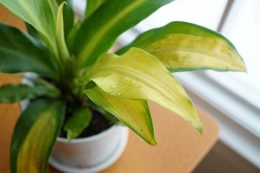 Yellow leaves: check the causes before treating
A yellow leaf may be part of normal ageing or point to several growing problems. Start with observation and the...
Lire la suite
 Humidity for tropical plants: measure and respond
Measure the air near your plants before choosing what to do. Suitable humidity depends on the species and setup; one...
Lire la suite
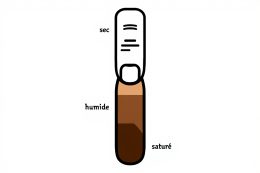 Watering tropical plants: observe before watering
When to water depends on the species, substrate, pot and light. No fixed schedule works for all tropical plants.
Lire la suite
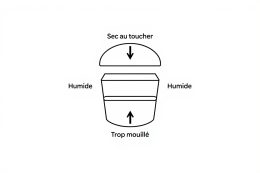 Indoor plants in winter: light, watering and care
As the days shorten, adjust care to your plants’ actual activity. A dimmer location, nearby heating or persistently...
Lire la suite
Leave a comment
Log in to post comments