Free delivery
Free delivery
Official distributor LEDSTAR · SKYLIGHT · ZOO MED · Horticultural LED lighting manufacturer since 2009
Spectrum and power advice on +33 3 83 47 83 98 · Monday to Friday
 Terrarium lighting · Nancy
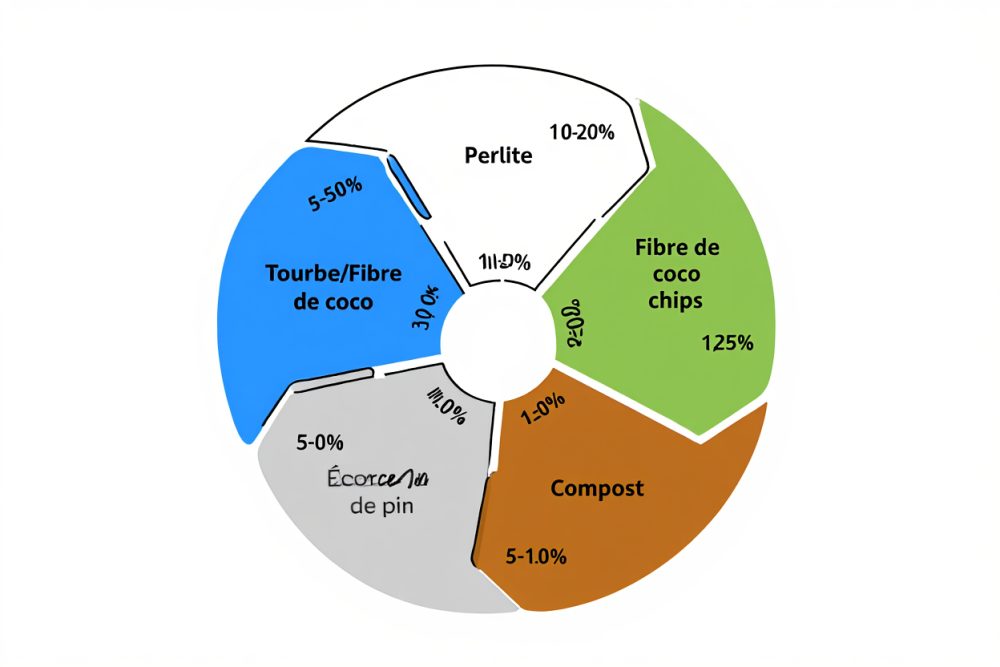
Substrates for tropical plants: compare structure and use
There is no single “best potting mix” for every tropical plant. Compare the mix with the species, pot, light and your watering habits.
Compare the right characteristics
Check the ingredients, texture, proportion of coarse particles and nutrients already present. A very fine mix in an oversized pot needs different management from a structured mix in a small pot. Check drainage holes too; a cachepot should not retain drainage water.
Choose for the plant group and setup
| Setup | Option to consider | Check first |
|---|---|---|
| Monstera / aroid collection | Aroid Mix for aroids | Composition, root volume and watering frequency |
| Alocasia | Alocasia Mix | Mix moisture, drainage and plant activity |
| Other tropical plants | Compare available substrates | Species’ needs and the use stated on the product |
Repot for a specific reason
Check root growth and the condition of the mix before changing pots. Prepare a suitable volume and record the repotting date so you can adjust watering and fertilising afterwards. The guide to signs that a plant needs repotting can help you decide; the tropical plant care guide connects substrate, water and light.
Avoid mixing up different uses
Aquarium soil, a terrarium substrate for animals and a potting mix for houseplants are not automatically interchangeable. Follow the manufacturer’s intended use and the biological needs of the setup. Carnivorous plants need a particular choice: see the substrate guide for carnivorous plants.
Editorial review: 3 October 2026 · TerraLED. Set up your equipment according to its instructions and the needs of the species.
Related posts
 Monstera variegata: light, watering and substrate
Grow a variegated Monstera with suitable light, a pot that drains and watering guided by the substrate. A lamp can...
Lire la suite
 Monstera Thai Constellation: care and lighting
Choose a light for a Monstera Thai Constellation only after assessing its location, pot and foliage. This method...
Lire la suite
 Which grow light is right for a Monstera? Choosing and setting it up
A bulb, bar or light fitting may suit a Monstera depending on its foliage and the support available. Here are three...
Lire la suite
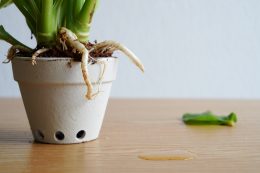 When to repot a houseplant: signs to check
Decide whether to repot based on root and mix condition, not just slow growth. Prepare the pot and substrate before...
Lire la suite
Leave a comment
Log in to post comments