OFFICIAL DISTRIBUTOR LEDSTAR · SKYLIGHT · ZOO MED // Fast shipping // FREE SHIPPING FROM 100€

The Pogona, an ideal companion for beginners in terrariums
The Pogona, bearded agam

If you read my previous article here you could see that I had already talked briefly about this animal. Today he is the king , this blog will be entirely dedicated to him.
This lizard is very popular in terrariophilia, a large number of terrariophiles started with this animal. In fact, its maintenance is relatively simple compared to other species; it is also very sociable with humans, which makes it an excellent partner.
I will first introduce it to you and then I will explain to you how to maintain it and take care of it.
Lifespan: 8 to 10 years
- Size: approximately 50cm
Where does he live ?
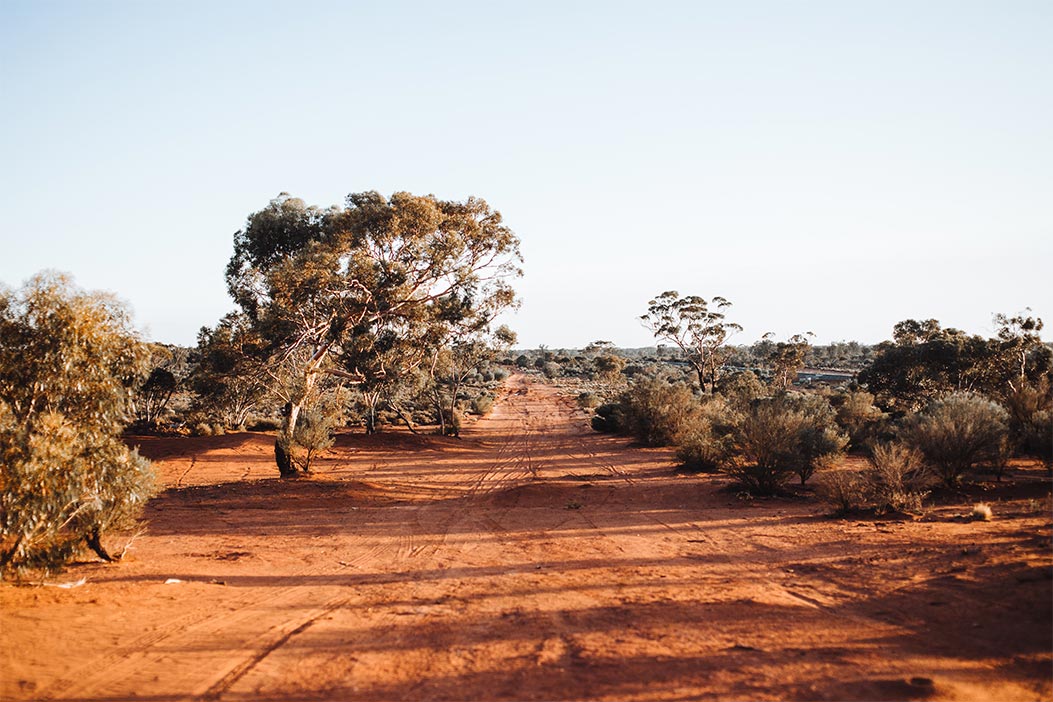
It is always important to know the biotope of the animal you want to accommodate, the pogona lives in semi-arid zones, mainly in Australia. It hides under shrubs to be able to regulate its temperature. Its large claws allow it to climb trees or rocky areas.
What's he eating ?
Its diet will vary during its life, juvenile its diet will be composed of 80% insects and 20% plants. The more your pognoa grows, the more the percentage of insects will decrease, in adulthood its diet will be reversed, that is to say 80% plants and 20% insects.
For insects you can give it crickets, grasshoppers and for plants dandelions, cabbage leaves, parsley, celery, cucumber.
You can also supplement his diet with calcium supplements and vitamins, to strengthen his immune system, his bones and help his growth.
What equipment?
You will have to change its size terrarium , if you install a juvenile pogona in its permanent terrarium it will tend to stress because it will not feel safe, you will therefore have to install it in a 50x50 cm terrarium then move it to a mini 1m20 terrarium when it is adult.
In the terrarium you will need one or more hiding places , branches so that it can climb and approach the hot spot, a food bowl to prevent it from ingesting substrate and a water bowl.
For heating and lighting I will give you an explanatory list of the elements you will need:
- UV lamp, UV rays are required for the calcium present in food to be assimilated.
- a heating spot that you will place on one side of the terrarium with a cage around it to avoid burns, the hot spot should be at 40-45° you can adjust it with a thermostat.
- a heating mat, it is not obligatory if your ambient temperature allows you to maintain the cold point at 20-25°.
Don't forget to turn off the UV lamp and the heating spot in the evening
You are now ready to welcome your reptile, if you have any other questions do not hesitate to send an email to [email protected] terraled.fr.
Related posts
 Guide for beginners in terrariophily: how to get started?
This article is a guide for beginners in terrariums, which provides the basics to get started in this exciting hobby....
Lire la suite
 Incredible plants: from the giant water lily to the silena stenophylla
This article talks about several surprising plants: The giant water lily, which can reach a meter in diameter in...
Lire la suite
 Guide to getting started in terrariums: choice of species and essential equipment
This article offers advice for getting started in terrariums by choosing a species that is easy to raise and finding...
Lire la suite
Leave a comment
Log in to post comments