OFFICIAL DISTRIBUTOR LEDSTAR · SKYLIGHT · ZOO MED // Fast shipping // FREE SHIPPING FROM 100€

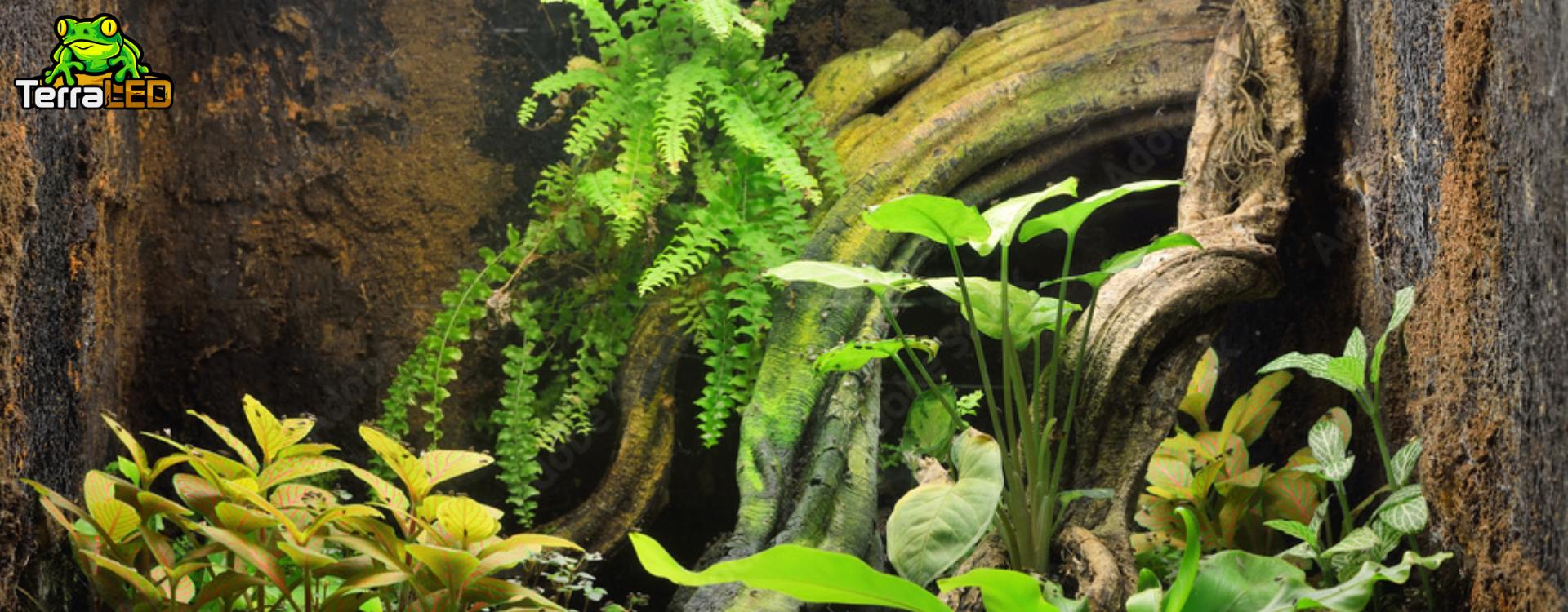
Guide for beginners in terrariophily: how to get started?
Welcome to the fascinating world of terrariophilia! If you are new to this hobby, you may be wondering where to start. This guide for beginners in terrarium photography will give you the basics to get started.
Understanding terrariophilia
What is terrariophilia ?
Terrariophily is the breeding of animals in a terrarium. This is a popular hobby for lovers of reptiles, amphibians and other animals that require a specialized habitat. Terrariums can vary in size and shape, depending on the needs of the animal in question.
Why become a terrariophile ?
Terrariophily is an enriching activity that allows you to discover incredible species, to understand their behavior and their specific needs. It is also an opportunity to raise awareness of environmental issues and species conservation.
The basics of terrariophilia
Choose the right animal
Before you begin, it's important to choose the pet that best suits your experience level and budget.
- Leopard Gecko : The gecko is a captivating reptile that lends itself easily to handling and does not need a large terrarium. However, it is a nocturnal animal, feeding mainly on carnivorous prey such as cockroaches, silkworms or crickets. Among the different species of geckos, the leopard gecko is the most popular and easy to raise as it can be kept in a small terrarium with minimal care required. It requires a habitat of at least 35 liters, which must reproduce a dry and rocky environment. The hot zone should be kept between 30 and 32°C, while the cold zone should be at 28°C. During the night, a temperature between 20 and 22°C is sufficient. It is essential to maintain these temperatures to preserve the health of the animal.

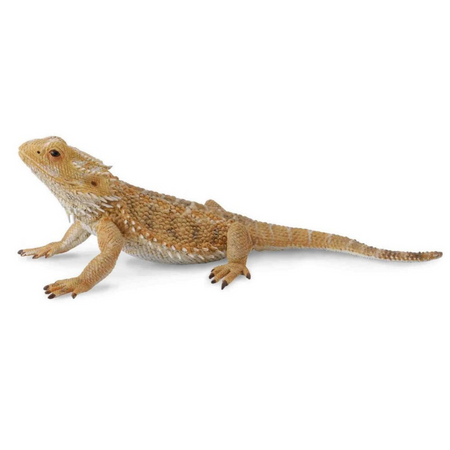
- Bearded dragon : They are sociable and are relatively easy to feed and care for. They also require a relatively small living space compared to other species. This lizard is remarkably interactive with its owner and easy to handle. It is accustomed to living in a dry environment, which implies the need to create a terrarium with a desert biotope and a temperature of 40°C at the hottest point, with a temperature that varies in the rest of the terrarium. To guarantee a diversity of heat, it is important to install hiding places and plants, as well as a small water point. The bearded dragon's diet is relatively simple as it feeds mainly on insects, supplemented by a few vegetables.
- Land turtle : Tortoises are calm and easy to care for animals. Nevertheless, sIf a juvenile turtle can be satisfied with a large terrarium, at adult size and even before that it must have an enclosure outside. Even if the turtle has an exceptionally long lifespan for an animal (between 60 and 100 years), it can quickly become ill depending on its diet, the conditions of its captivity or following a cold snap, or a stroke hot. It is therefore necessary to pay close attention to your living conditions. He It is also advisable to clean the eyes quite often, sensitive areas in this animal. It is recommended to take care of its shell by inspecting it from all angles to check its appearance. It is also advisable to check the condition of your mouth and limbs fairly regularly. The land turtle is a herbivorous reptile that needs a diet rich in fiber, vitamins and minerals, and low in lipids and proteins, even plant proteins. It is strictly not recommended to give animal proteins to a turtle. In addition, it is important to note that calcium intake should be twice that of phosphorus.

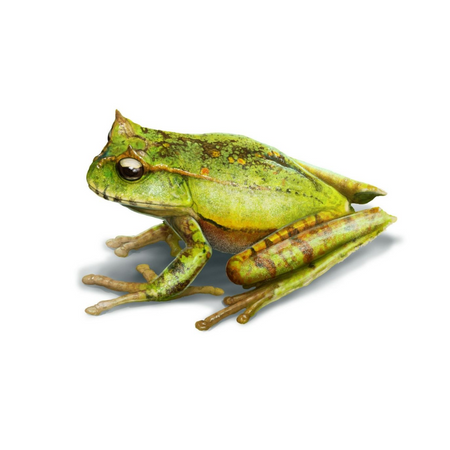
- Tree frog : They are small and do not require a lot of space. Regarding its diet, it mainly feeds on insects, such as grasshoppers, locusts, flies and butterflies, as well as small invertebrates. In terms of health, the tree frog is sensitive to water and air pollution, as well as certain parasites and diseases. It is therefore important to maintain a clean environment and monitor their health. When it comes to its sleep, tree frogs are nocturnal animals that are usually active at night and sleep during the day. It is important to provide them with a dark and quiet environment during their rest period. To ensure a good quality of life for a tree frog, it is important to provide it with a suitable habitat, which must be spacious, humid and have plants and hiding places. It is also important to provide them with a diet suited to their nutritional needs and to monitor them regularly for any signs of illness or stress.
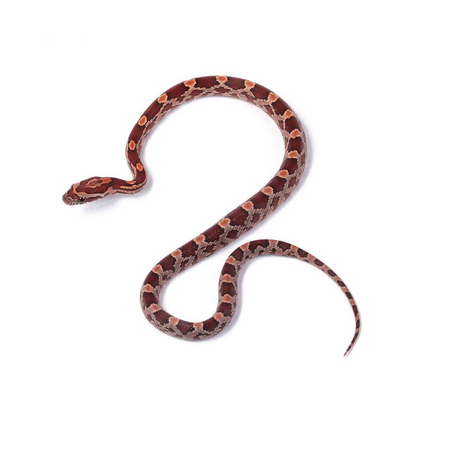
- Corn snake : They are generally docile and have relatively simple housing and food needs. You will be able to find species with varied colors and patterns. It is important to consider several factors such as their diet, behavior and life expectancy, as well as your own lifestyle habits and budget. As a beginner in snake breeding, the corn snake is an option that requires little experience. This snake feeds on only one mouse per week. For a suitable habitat, a thermostat is essential to maintain an adequate temperature in the hot and cold zones necessary for the animal in its terrarium.
These species are generally considered suitable animals for beginners due to their ease of care, proximity to humans, and relatively simple housing and food requirements. However, it is important to note that each species has its own specific requirements, and so it is important to do thorough research before purchasing a pet to ensure that you are prepared to meet its particular needs.
Choosing the right terrarium
The right choice of a terrarium is crucial for the well-being of the animal. It depends on several factors such as the animal species, the size of the animal, the climatic conditions of your region, as well as your budget. Here are some things to consider when choosing a suitable terrarium:
- Size: The terrarium should be large enough to allow the animal to move freely. It must also be adapted to the size of the animal as an adult.
- Material: The material of the terrarium must be durable and easy to clean. Glass terrariums are the most common, but it is also possible to use materials such as plastic or wood.
- Equipment: The terrarium should be equipped with accessories such as hiding places, branches, plants and a water bowl to provide a suitable environment for the animal.
- Safety: The terrarium must be secure to prevent the animal from escaping or getting injured. Doors must be locked and materials used for construction must be non-toxic.
Temperature and humidity
Temperature and humidity are important factors to consider for the animal's health. It is important to create an environment that best mimics the animal's natural conditions, using heat sources and water sprays.
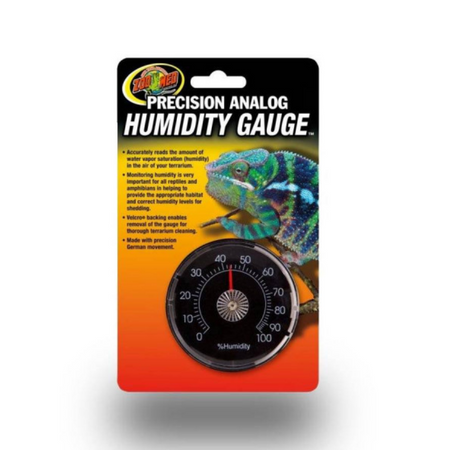
Depending on the species, the animal may require specific temperatures and humidity levels. The terrarium should be equipped with a thermometer and hygrometer to monitor these conditions.

Min-max digital thermometer-ZOOMED
Analog hygrometer for terrariums and paludariums - ZOOMED
Lighting
Lighting is also important for animal health and stimulates photosynthesis in plants. It can also help regulate the day and night cycle. Lamps should be chosen based on the specific needs of the animal.
Here are some types of lighting suitable for some common species of reptiles and amphibians:
- Daylight: Most reptiles and amphibians require a daylight source to simulate natural sunlight. This light is essential for their health and well-being. Full spectrum lamps are ideal for providing artificial daylight for pets.
- UVB Light: Some reptiles require regular exposure to UVB light to maintain their health. Lizards, turtles and tree snakes are some of them. UVB light helps with the synthesis of vitamin D3, which is essential for calcium absorption.
- Infrared light: Some species of snakes require infrared heat to maintain their body temperature. Infrared bulbs are ideal for providing that extra heat.
- LED Lights: LED lights can be used as supplemental lighting to add color and variety to a terrarium. They can also be used as a night light source to observe animals without disturbing their sleep cycle.
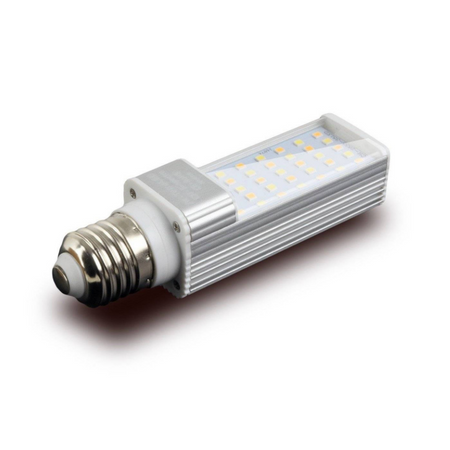
Bulb TerraLED 7W - LED lighting for terrariums
Daily care
The food
The animal's diet must be adapted to its natural diet. It is important to feed the animal with fresh food appropriate to its needs.
Cleaning
The terrarium should be cleaned regularly to avoid diseases and infections. Feces and food scraps should be removed regularly, and the substrate should be changed when necessary. The substrate for a terrarium must be chosen according to the species of the animal, and particularly according to its humidity and temperature needs.
Health
It is important to monitor the animal's health and consult a veterinarian specializing in terrariums if in doubt. Signs of illness may include a lack of appetite, abnormal behavior, or weight loss.
Conclusion
By following these basic tips, you are well on your way to becoming a knowledgeable and responsible terrariophile. Remember to do additional research on the species you choose and continue learning to provide your pet with the best environment possible. Terrarium hobbying can be a wonderful and rewarding experience, and with the proper care, your pet will be healthy and happy in its new home.
Related posts
 Incredible plants: from the giant water lily to the silena stenophylla
This article talks about several surprising plants: The giant water lily, which can reach a meter in diameter in...
Lire la suite
 The Pogona, an ideal companion for beginners in terrariums
This article is devoted to the Pogona, also known as the bearded dragon, a lizard very popular in terrariums. The...
Lire la suite
 Guide to getting started in terrariums: choice of species and essential equipment
This article offers advice for getting started in terrariums by choosing a species that is easy to raise and finding...
Lire la suite
Leave a comment
Log in to post comments