OFFICIAL DISTRIBUTOR LEDSTAR · SKYLIGHT · ZOO MED // Fast shipping // FREE SHIPPING FROM 100€

Hoya Carnosa Tricolor: Complete Growing Guide and LED Lighting
Understanding Hoya Carnosa Tricolor
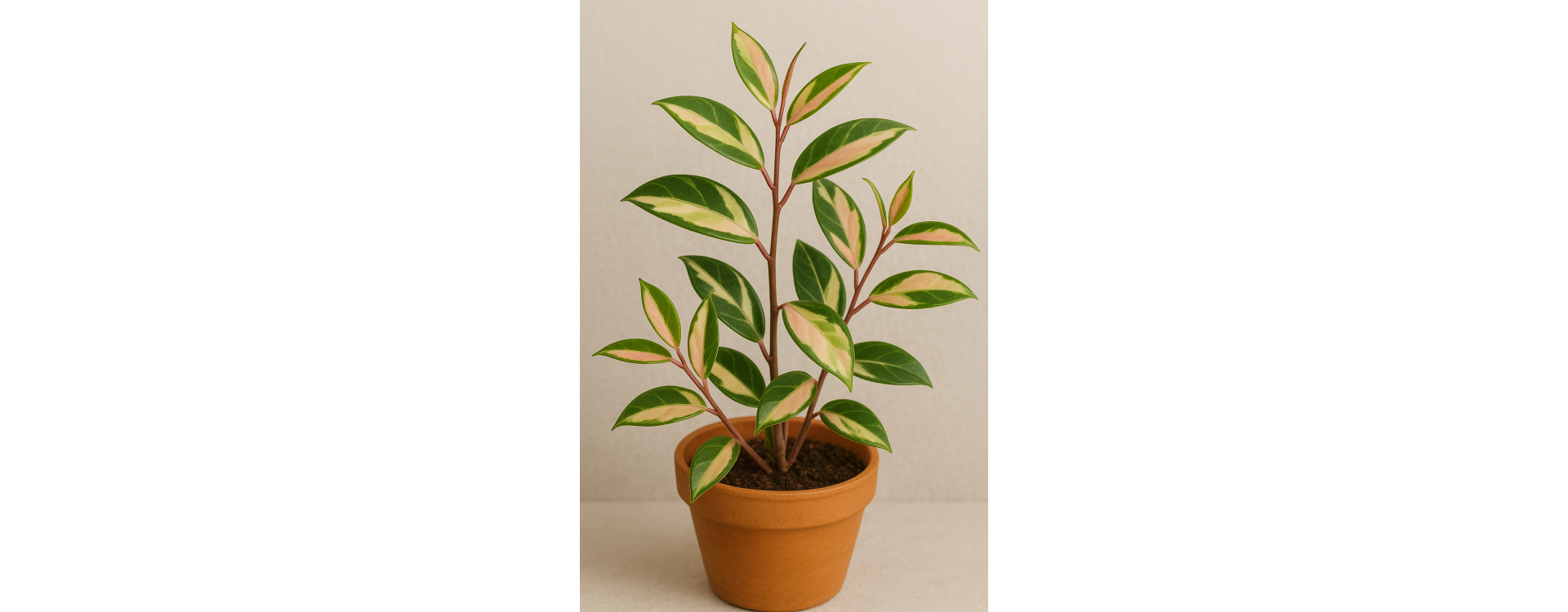
Native to Southeast Asia and a tropical climate, Hoya Carnosa Tricolor forms flexible stems that can climb or trail up to 1.8 m Indoors. Its leaves are fleshy, slightly oval, green at the edges and almost white in the center, sometimes with a pinkish tinge. The long, trailing stems create a dense, abundant appearance, particularly striking in a hanging basket or on a high shelf. Like all Hoyas, this species is epiphytic: it grows naturally in the crevices of trees and stores water in its leaves. It is therefore sensitive to excessive humidity but appreciates a humid atmosphere.
The Hoya produces delicate umbels of star-shaped flowers reminiscent of porcelain. These drooping globules are fragrant and range in color from pale pink to white. Flowering is encouraged when the plant is slightly root-bound and receives plenty of light.
Light: the importance of LED lighting
Light requirements of Hoya Carnosa Tricolor
The Tricolor needs 10 to 12 hours of intense indirect light per day to maintain its colors. This plant tolerates lower light conditions, but the leaves will become elongated and the variegation will be reduced. Conversely, prolonged exposure to direct sunlight can burn the foliage. Horticultural LED lighting reproduces a full spectrum without overheating and allows for a consistent light cycle, even in a dimly lit room.
Distances and duration of lighting
For optimal photosynthesis without risk of burning, place the Lamp TerraLED TM PRO has 30–40 cm above the foliage. The 30 cm, 60 cm, 90 cm, or 120 cm versions adapt to all configurations (shelf, hanging, or living wall). Program your light strip to provide 10 to 12 hours of light every day. TheSpectraBULB X20 Horticultural Bulb is ideal for small spaces or to supplement natural light; install it in an E27 socket at approximately 30 cm leaves.
Preserve the variegation
If the variegation fades and the new leaves become mostly green, it is often due to a lack of light. Improve the lighting by moving the lamp closer (but not closer than 30 cm) or by increasing the duration of illumination. Conversely, grayish spots or pale areas indicate a sun overload; move the lamp slightly further away or place the plant in a location that receives only direct morning or evening sunlight.
Watering and humidity
Watering
Hoyas store water in their leaves and prefer a "soak and dry" routine. Wait until half of the substrate is dry Before watering heavily, ensure your pot has drainage holes and empty the saucer after watering. Overwatering is the most common mistake and causes limp, yellowing leaves associated with root rot. If you suspect overwatering, allow the potting mix to dry out, poke a few holes with a stick for ventilation, and place the pot on a tray of dry potting mix to absorb excess water.
Humidity
Hoya carnosa tricolor is a tropical epiphyte and appreciates high humidity, Humidity should be around 40–60%. Dry air causes wilting and slows growth. Place the plant near other plants, on a tray of damp pebbles, or use a humidifier. Water Master 2L Electric Sprayer (https://www.terraled.fr/fr/arrosage-et-irrigation/1741-pulverisateur-electrique-water-master-2l.htmlThis is perfect for misting the leaves regularly and painlessly to maintain good humidity levels. However, avoid leaving stagnant water in the heart of the plant to prevent fungal growth.
Substrate and repotting
Choose a well-draining substrate
Hoya Carnosa Tricolor requires a light and airy substrate, similar to those used for cacti and succulents. The How Many Plants guide recommends a mix very well-draining, composed of cactus potting mix or house potting mix lightened with an equal amount of pumice stone or horticultural gravel, ensuring that the water drains freely and emptying any excess from the pot. To simplify, choose the Premium Tropical Soil of TerraLED (https://www.terraled.fr/fr/vegetale/1710-premium-tropical-soil-10kg20l-substrat-naturel-reptiles-et-plantes-tropicales.html), which offers a blend of coconut fibers, drainage elements and organic matter suitable for tropical plants and terrariums.
Frequency and method of repotting
Repot your Hoya every 2 to 3 years In spring, increase the pot diameter by about 5 cm with each repotting. A slightly root-bound plant produces more flowers, as mild stress stimulates flowering. When repotting, refresh the potting mix, gently trim any long roots if necessary, and reposition the plant at the same depth.
Fertilization and nutrition
During the growing season (spring and summer), fertilize your Hoya every two months with a balanced, highly diluted liquid fertilizer. The Hydropassion Pack Organic Vegan Fertilizer Master Grower (https://www.terraled.fr/fr/accueil/1772-pack-hydropassion-engrais-bio-vegan-master-grower.htmlThis product provides essential nutrients and is compatible with organic and vegan growing. Its potassium-rich formula promotes flowering. Suspend all fertilization in autumn and winter when growth slows. Excess fertilizer can accumulate salts and burn the roots; adhere to the recommended dosage and water with plain water between applications.
Maintenance, pruning and propagation
General maintenance
Regularly remove yellow or damaged leaves and fallen debris to prevent the spread of disease. Wipe the leaves with a damp cloth to remove dust and maximize photosynthesis. The stems can be pruned if you wish to maintain a compact shape; do not remove the peduncles (small, bare branches) as the flowers develop in the same place each year.
Support and training
The Hoya can climb or trail. For a cascading effect, let the stems hang from a hanging basket or a tall pot. For vertical growth, train the stems up a trellis or bamboo ring. A support helps maximize light exposure while saving space.
Spread
The propagation of Hoya Carnosa Tricolor is easily achieved by stem cutting. Cut a section of stem with at least two leaves, just below a node, and remove the bottom pair of leaves. Plant the cutting in a slightly moist, well-draining potting mix, ensuring that only the stem ends are buried. Leave the leaves above the surface to prevent rot and allow for good air circulation. Once roots are well-developed and growth is visible, transplant the cutting into its final pot.
Common problems and solutions
Loss of variegation
The gradual disappearance of cream or pink areas is generally due to a Insufficient lighting. Insufficient light prompts the plant to produce greener leaves with a higher chlorophyll content to optimize photosynthesis. Solution: move the LED lamp closer or increase the lighting duration. The LED strip TM PRO This allows you to easily adjust the intensity and duration. Also adjust the watering to avoid wetting a poorly lit substrate.
Pale spots and burns
Large grayish or whitish patches on the leaves indicate too much sun: the plant is evaporating more water than its leaves can absorb, resulting in bleached tissue. Move the lamp further away or relocate the plant to a spot with indirect sunlight. The spots won't disappear, but you can trim the affected leaves for a more aesthetically pleasing appearance.
Yellow and soft leaves
Yellowing and limp leaves often signal a excess water and the first signs of root rot. Check that the potting mix drains well, that the pot has drainage holes, and allow the top half of the soil to dry out before watering. You can also loosen the soil with chopsticks and use the wicking method (placing the pot on dry potting mix to absorb excess water).
Generalized yellowing
A generalized yellowing Leaf wilting can be caused by overwatering, but also by a nutrient deficiency, overly compacted substrate, insufficient light, heat stress, or a pest infestation. Adjust your watering schedule, check the lighting, ensure good drainage, fertilize moderately, and inspect the plant.
Parasites
Hoyas grown indoors can be attacked by mealybugs (white cottony clumps), of scale insects, of the red spiders, of the fungus gnats and aphids. Act at the first signs: wipe off mealybugs with a cotton ball soaked in alcohol, spray with black soap or neem oil, and increase humidity to discourage spider mites. Regularly inspecting the undersides of leaves and maintaining good foliage hygiene will limit infestations.
Expert tips for a resplendent Hoya Tricolor
-
Regular light cycle10–12 hours of light, followed by a complete period of darkness. The strip TM PRO allows you to program dawn and dusk phases.
-
Lamp-to-plant distanceKeep the LED lamp 30-40 cm away. If the leaves lighten or show white spots, move it further away; if the stems lengthen and the variegation weakens, move it closer.
-
Rotating the pot: rotate the plant every week so that all sides receive the same light intensity and maintain harmonious colors.
-
Regular humidificationAim for 40–60% humidity and spray water with the Water Master without soaking the leaves.
-
Draining substrate: use the Premium Tropical Soil or a cactus/succulent mix enriched with perlite and do not water until half of the substrate is dry.
-
Moderate fertilization: bring theMaster Grower Organic Vegan Fertilizer every two months in spring and summer, following the recommended dosages.
-
Prune sparinglyRemove dead leaves and trim overly long stems, but do not cut leafless peduncles, as flowers will return.
-
Leave the plant slightly cramped: slight root stress promotes flowering.
Conclusion: Expertise TerraLED at your service Hoya
THE Hoya Carnosa Tricolor is an elegant houseplant whose variegation requires adequate lighting, controlled watering, and a humid atmosphere to thrive. Thanks to the solutions TerraLED, You control each parameter: the sliders TM PRO and theSpectraBULB X20 bulb provide intense yet soft light that is programmable and adaptable. Premium Tropical Soil ensures an ideally draining substrate, while the Hydropassion Organic Vegan Fertilizer Pack provides the necessary nutrients without polluting. Finally, the Water Master 2L Sprayer helps maintain the high humidity this species needs. By choosing TerraLED, You benefit from French innovation in LED horticultural lighting and complementary products to keep your Hoya colorful and vigorous.
FAQ: Frequently Asked Questions
-
What is the best exposure for a Hoya Carnosa Tricolor?
This plant thrives in bright, indirect light. Provide it with 10 to 12 hours of light per day using an LED lamp, and avoid direct sunlight which can burn the leaves. -
At what distance should I place my TM PRO lamp?
Install the light strip or bulb between 30 and 40 cm from the top of the foliage. This distance ensures sufficient intensity without risk of burning. -
What watering frequency should be followed?
Water when half the substrate is dry, approximately every two weeks in summer and less frequently in winter. Allow the water to drain and empty the saucer. -
What substrate should be used?
A very well-draining mix is essential. Premium Tropical Soil of TerraLED Contains coconut fibers and drainage components suitable for tropical plants. -
How to preserve the variegation?
Ensure a bright and even light. If color loss occurs, move the lamp closer or increase the lighting duration. -
Why do my leaves have pale spots?
The greyish spots indicate too much sun. Move the lamp slightly further away or place the plant in a location receiving filtered sunlight. -
What should I do if my leaves turn yellow and limp?
This is usually a sign of overwatering and the beginning of root rot. Allow the substrate to dry out and check the drainage. -
Should I humidify the air?
Yes, a humidity level of 40–60% is ideal for this Hoya. Use a pebble tray or the Water Master sprayer to increase humidity. -
Which fertilizer should I choose?
THE Hydropassion Pack Organic Vegan Fertilizer Master Grower It's perfectly suitable. Fertilize every two months in spring and summer. -
Can the Hoya Tricolor be propagated?
Yes, by cuttings. Cut a section of stem with two leaves and plant it in a well-draining substrate. Keep the soil slightly moist until roots appear.
Related posts
 Guide for beginners in terrariophily: how to get started?
This article is a guide for beginners in terrariums, which provides the basics to get started in this exciting hobby....
Lire la suite
 Incredible plants: from the giant water lily to the silena stenophylla
This article talks about several surprising plants: The giant water lily, which can reach a meter in diameter in...
Lire la suite
 The Pogona, an ideal companion for beginners in terrariums
This article is devoted to the Pogona, also known as the bearded dragon, a lizard very popular in terrariums. The...
Lire la suite
Leave a comment
Log in to post comments